

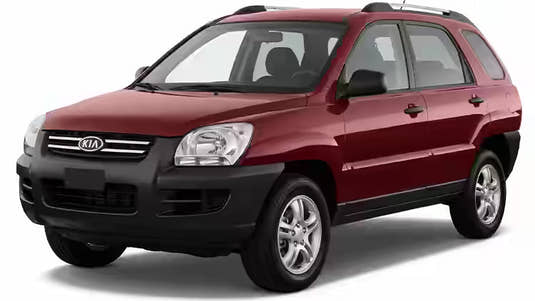
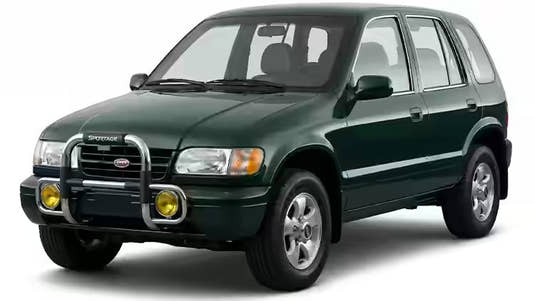

Kia Sportage - A Popular Towing Vehicle Since 1995
If you’ve spent any time on British motorways during a bank holiday weekend, you already know the Kia Sportage is a staple of the UK towing community. It consistently ranks as one of the most respected tow car platforms in the country, and for good reason. By combining high kerbweights, sure-footed stability, and competitive noseweight limits, the Sportage hits the absolute sweet spot for pulling mid-sized family caravans, horseboxes, and multi-bike carriers.
However, because its mechanical engineering has changed drastically since its UK debut back in 1995, choosing the right towbar and understanding your legal limits depends entirely on which generation you drive.
A Potted History of the Sportage as a Tow Car
From the first era, here is how the Sportage evolved from a ruggedly capable budget option into an advanced, tech-heavy towing machine.
First Generation (JA Series) 1995 - 2003
The UK debut. Unlike modern crossovers, the original Sportage was a tough, traditional body-on-frame 4x4 with a proper low-range transfer box. While primitive on the motorway, its rugged mechanical nature gave it a surprising 1,800kg braked towing capacity—making it an incredibly cheap, tough little workhorse for farmers and early budget towers.
Second Generation (KM Series) 2004 - 2010
The turning point. Kia ditched the rough truck chassis for a car-like unibody platform, massively improving ride comfort. The introduction of the popular 2.0 CRDi diesel engine offered steady pulling power, delivering a towing capacity between 1,400kg and 1,800kg depending on whether you chose the 2WD or 4WD drivetrain.
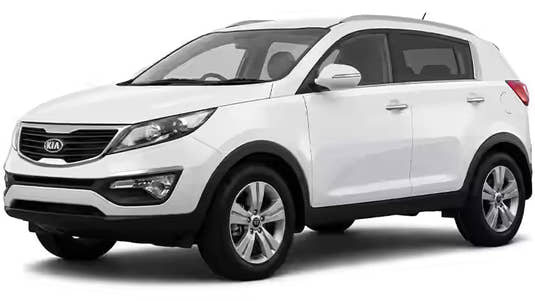
Third Generation (SL Series) 2010 - 2016
The generation that firmly established Kia at the caravan site. Known for its boxier, muscular styling, the SL series was an absolute workhorse. Opting for the heavy 2.0 CRDi diesel with All-Wheel Drive (AWD) granted a massive 2,000kg braked towing capacity and a robust 80kg noseweight limit. Its high mechanical kerbweight made it exceptionally stable in crosswinds, making it a legendary budget champion for pulling large single-axle tourers.
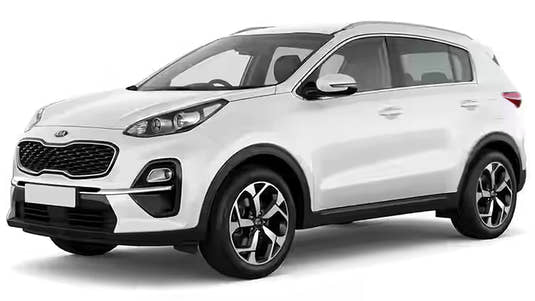
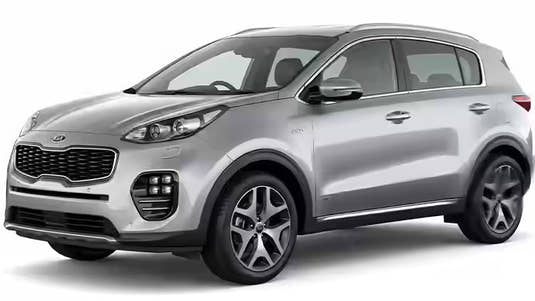
Fourth Generation (QL Series) 2016 - 2021
A massive leap forward in structural refinement and electronic safety. The QL generation introduced a much stiffer chassis and advanced driver assistance systems. Crucially for towers, this generation saw the debut of factory-level Trailer Stability Assist (TSA) as standard across most trims. While the flagship 2.0 CRDi AWD retained an impressive 1,900kg limit, Kia also introduced smaller 1.6-litre petrol and diesel variants, which typically maxed out between 1,400kg and 1,600kg.
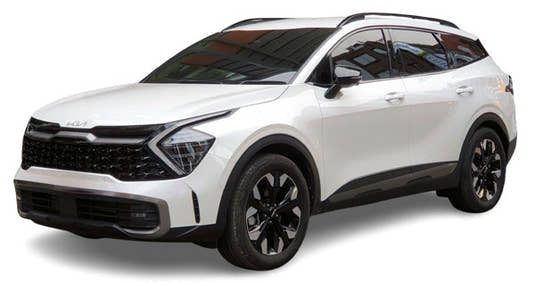
Fifth Generation (NQ5 Series) 2021 - Present
The current modern era, bringing a complete paradigm shift in powertrains. The NQ5 completely phased out large displacement diesels in favour of smart electrification: Mild Hybrids (MHEV), Full Hybrids (HEV), and Plug-in Hybrids (PHEV). While it offers incredible solo fuel economy and up to a 100kg noseweight limit (perfect for heavy e-bike racks), towing limits now vary drastically depending on the batteries under the floor.
Crucial Advice for Modern Towers: Hybrid vs. Diesel
If you are upgrading from an older diesel Sportage to a modern fifth-generation (NQ5) model, you need to watch your weights carefully. This is the single biggest area that catches out experienced caravanners:
| Powertrain Type (5th Gen NQ5) | Max Braked Towing Capacity | UK Caravan Match Suitability (85% Rule) |
|---|---|---|
| 1.6 CRDi Diesel / Mild Hybrid (MHEV) | 1,650 kg – 1,900 kg | Excellent for traditional 4-berth family caravans. |
| 1.6 T-GDi Petrol Full Hybrid (HEV) | 1,650 kg | Great for lightweight or aerodynamic mid-sized tourers. |
| 1.6 T-GDi Plug-in Hybrid (PHEV) | 1,350 kg | Restricted. Strictly limited to small trailers, lightweight micro-caravans, or bike racks. |
Why is the Plug-in Hybrid (PHEV) limit lower? Even though the PHEV has plenty of combined power, the massive weight of its lithium-ion battery pack increases the vehicle's Gross Vehicle Weight (GVW). To protect the brakes, suspension, and hybrid transmission during prolonged hill climbs, the manufacturer lowers the maximum legal trailer weight to 1,350kg. Always check your vehicle's VIN plate before buying a caravan!
Selecting Your Kia Sportage Towbar & Electrics
Every towbar in our collection is fully type-approved, designed to bolt directly into Kia's factory-engineered mounting points.
Towball Styles
- Detachable Swan Neck: The premier option for the 4th and 5th-generation models. When you remove the neck, the towbar framework is hidden entirely behind the bumper, keeping the Sportage’s sharp, modern rear styling intact and preventing interference with your parking sensors.
- Fixed Swan Neck: A highly cost-effective, rugged choice favoured by tradesmen and year-round caravanners who leave their hitch exposed.
Why Vehicle-Specific Wiring is the Best Choice on Newer Models
Since 2016, the Kia Sportage has relied heavily on its onboard computers to keep you safe. If you install a generic bypass relay, the car has no idea a trailer is attached.
By choosing a dedicated vehicle-specific wiring kit, the vehicle's ECU is properly coded upon installation. This automatically activates the Trailer Stability Assist (TSA) program, monitors your blind spots for the length of the trailer, alters the gear-shift patterns on automatic/DCT models to prevent overheating, and safely deactivates your rear parking sensors whenever you shift into reverse.
Select your specific year range above to view our exact, custom-fit towbar kits for your Kia Sportage.